

富達基金實(shí)地調研報告:圣牧的可持續發(fā)展之路
2023-10-09 11:04:50Field Notes: This Chinese dairy company is taking a grass-roots approach to reclaiming deserts
Deep in northern China, a dairy producer discovers that reclaiming desert land not only limits its environmental footprint but helps it build a more robust and sustainable business.
China is the world’s largest emitter of greenhouse gases, but also one of its greatest hopes for combatting climate change. The country’s target for hitting peak emissions by 2030 and achieving carbon neutrality by 2060 charts an ambitious course. But turning an economic tanker of China’s size won’t happen all at once, and requires some creative thinking.

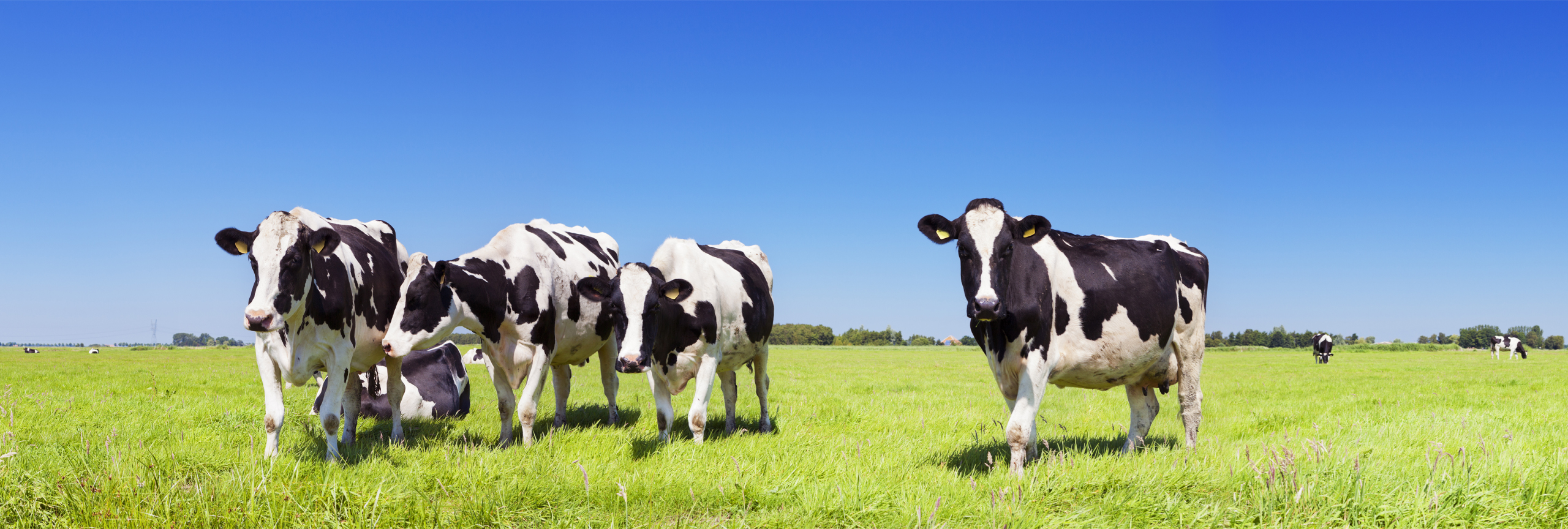
In the deserts of Inner Mongolia, a few thousand kilometres northwest of Beijing, we found an example of a company making innovative strides in this direction. Shengmu, which produces over 35 per cent of China’s organic milk, has turned 200 square kilometres of desert land into green pastures of feed crops over the past decade. While at first glance, farms and cattle in an artificial oasis may seem worlds away from the polluting industries China needs to leave behind, or the clean energy ecosystem shaping its future, Shengmu’s work contributes directly to the drive to net zero.
The dairy industry is a significant source of greenhouse gas emissions, with climate and deforestation risks including the soy used in animal feed, the palm oil in ice cream, the pulp and paper used to make beverage packaging, and cows emitting methane on the farm. The FAIRR initiative, a network of investors that includes Fidelity and which seeks to improve environmental, social, and governance (ESG) factors in the food sector, estimates that more than 80 per cent of Asian livestock companies’ emissions stem from animal farming or feed-farming emissions. The stakes are amplified by growing Chinese consumer demand for higher-protein diets, including for more dairy products like fresh milk or cheese.
A grass-roots perspective
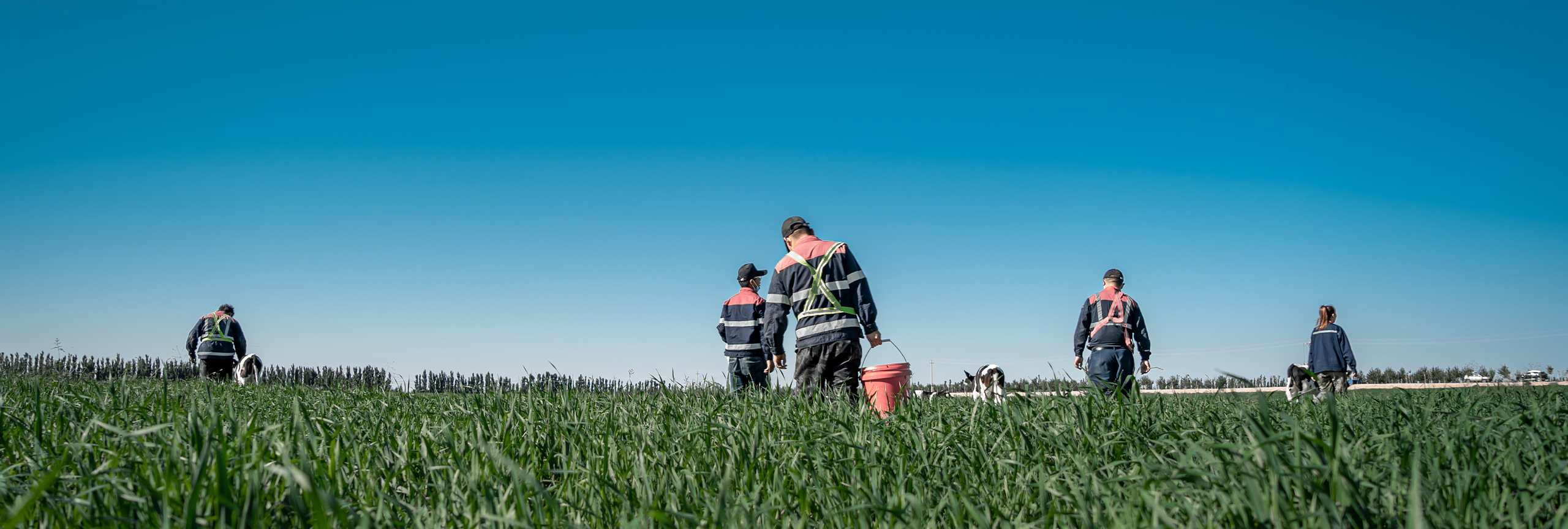
During our research trip to Inner Mongolia, we saw first-hand how Shengmu is pioneering a more sustainable business model. The desert may not seem like the most obvious choice of turf for large-scale organic farming, but with investment in water irrigation technology, strong support from the local government, and the added advantage of being far away from urban pollution, a transformation is taking place. By cultivating green pastures at scale, Shengmu can grow much of its own feed including around 70 per cent of its ‘roughages’ (cattle feed high in fibre). It also sources organically produced soy from within China, which is used in its ‘concentrates’ (the other main type of feed, which is higher in energy). This helps it avoid importing genetically modified soy, and potentially greater deforestation risks, from producers in places like Brazil. In an example of a ‘circular economy’, the manure from Shengmu’s cows is then used as organic fertiliser to help grow more feed crops.
But what works in this area of China may not work elsewhere. The Ulan Buh desert where Shengmu operates was historically part of the Yellow River basin; because of this there is fertile soil beneath the sand that makes it easier to transform some areas of the desert into suitable grounds for planting pasture grass and feed crops. But even when starting with good soil resources, it takes considerable investment to reclaim desert, and not every company has the capital resources that Shengmu does (it counts China Mengniu Dairy, China’s second largest dairy brand, as its largest shareholder). Local government support has also proven crucial. The Inner Mongolian provincial government has clear targets to significantly increase both dairy industry revenues and to reclaim desert by planting forests and grasslands (about 2.5 million acres this year alone). Shengmu’s work supports both goals.
Investors have a voice at the table
Investors can make a real difference in helping to drive the green transition in China. Fidelity’s years of experience in engaging directly with investee companies have shown us that management teams are increasingly open to advice, assistance, and support when it comes to best practices around ESG factors.
Our own engagements in Beijing and Inner Mongolia have been encouraging, suggesting dairy industry leaders like Mengniu and Inner Mongolia Yili Industrial Group (China’s largest dairy brand) have made ESG integration a strategic priority. As investors, we also take a strong interest in how companies manage their supply chains, which is why we were keen to see Shengmu’s operations as a key raw milk supplier to Mengniu.
There is still plenty of room for the industry to improve, for example in the quality of disclosures around emissions data or supply chain risks. But we came away from these meetings convinced that some of China’s dairy companies are taking steps to deliver more sustainable growth, and with a deeper conviction that investors have an important role to play — even in the most dusty corners of the world.
全文轉自:Fidelity(富達基金)全球官網(wǎng)
網(wǎng)址:https://www.fidelityinternational.com/editorial/article/field-notes-this-chinese-dairy-company-is-taking-a-grassroots-approach-to-reclaiming-deserts-71b2f3-en5/

 蒙公網(wǎng)安備15012102000266號